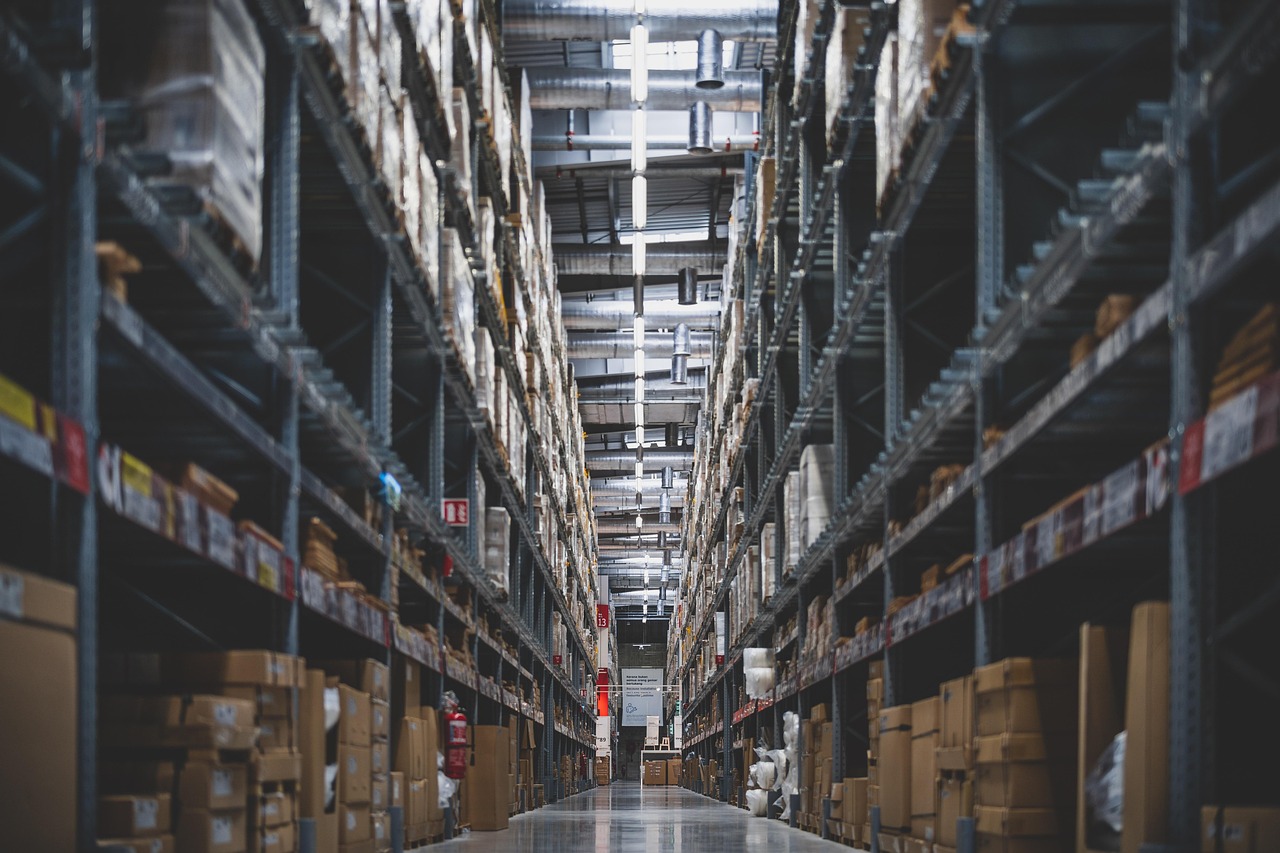
Commercial epoxy flooring in Centennial, CO gives businesses a seamless, sealed floor that resists chemicals, wear and constant cleaning. It’s for Centennial owners and managers of warehouses, auto shops, gyms, offices, retail stores and food-service kitchens who need a floor that holds up to daily operations. Each project starts with a walk-through of how the space is used, then pairs proper concrete prep with a coating system matched to the traffic and chemicals involved. You get a durable floor that cleans easily and looks professional.
What Commercial Floor Coating Covers
Commercial work uses a range of systems, chosen by the demands of the space:
- High-build epoxy for warehouses, storage areas and light manufacturing.
- Flake or quartz systems for locker rooms, restrooms and lobbies that need texture and a decorative look.
- Urethane cement for commercial kitchens and areas with heat, steam or harsh cleaning.
- Chemical-resistant topcoats for auto shops and maintenance bays.
- Cove base, where the coating curves up the wall to make cleaning easier.
- Line striping and marked zones for safety and organization.
When a Business Needs a New Floor
Common reasons to coat or recoat a commercial floor include:
- Dusting concrete that dirties stock and equipment.
- Worn or peeling coatings in traffic lanes.
- Stains from oil, fluids or chemicals.
- Slippery spots where water or grease builds up.
- Health inspection or cleanliness concerns in food-service areas.
- A new tenant buildout or remodel.
Why Commercial Floors Wear Out
Commercial floors face stresses that homes rarely see:
- Forklifts, pallet jacks and carts grind away soft concrete and thin coatings.
- Chemicals and fluids in shops soak into bare concrete and attack weak coatings.
- Hot water and steam in kitchens cause thermal shock, which can crack standard epoxy.
- Winter meltwater tracked in from Centennial parking lots carries salt and de-icers into entryways.
- Frequent mopping and scrubbing wears down floors without a durable topcoat.
Choosing the system for the actual conditions is what makes a commercial floor last.
The Process for Commercial Projects
- Walk-through. We look at the floor, discuss operations, check for moisture and contamination, and talk about scheduling.
- Proposal. You get a written plan with the system, prep, phasing and cure times.
- Preparation. Floors are ground or shot-blasted, damaged areas are repaired, and oil-soaked spots are treated.
- Coating. Primer, body coats and topcoats are applied, with lines and cove base if needed.
- Cure and reopen. We let you know when each area can return to foot traffic and equipment.
What Affects the Cost of a Commercial Floor
- Square footage and layout, including how many phases are needed.
- Concrete condition, including cracks, spalling and oil contamination.
- The system, such as thickness, aggregate and topcoat.
- Special features like cove base, striping and drains.
- Scheduling needs, such as after-hours or weekend work.
- Moisture conditions in the slab.
Every space is different. After a free walk-through, you’ll get a written quote that lists the system, the prep and the schedule, so you can budget and plan around it. For larger facilities, we can break the quote into phases so you can see what each section involves.
Recoat or Remove and Replace?
If a commercial floor still has a solid bond but a worn surface, a recoat can restore it at less disruption. The surface is sanded or lightly ground, and a new topcoat is applied.
If the coating is delaminating, chipped through to concrete in many spots, or failing under chemicals, the better long-term choice is to remove it and install a system suited to the use. Homeowners looking for a similar durable finish at home can see our garage floor coating page.
The Cost of Waiting
A failing floor tends to get worse faster as traffic hits the damaged edges. Chips spread, dust returns, and oil soaks deeper into exposed concrete, which adds prep work later. Planning a recoat or replacement before the floor fails completely keeps the project simpler and limits downtime.
Related services in Centennial