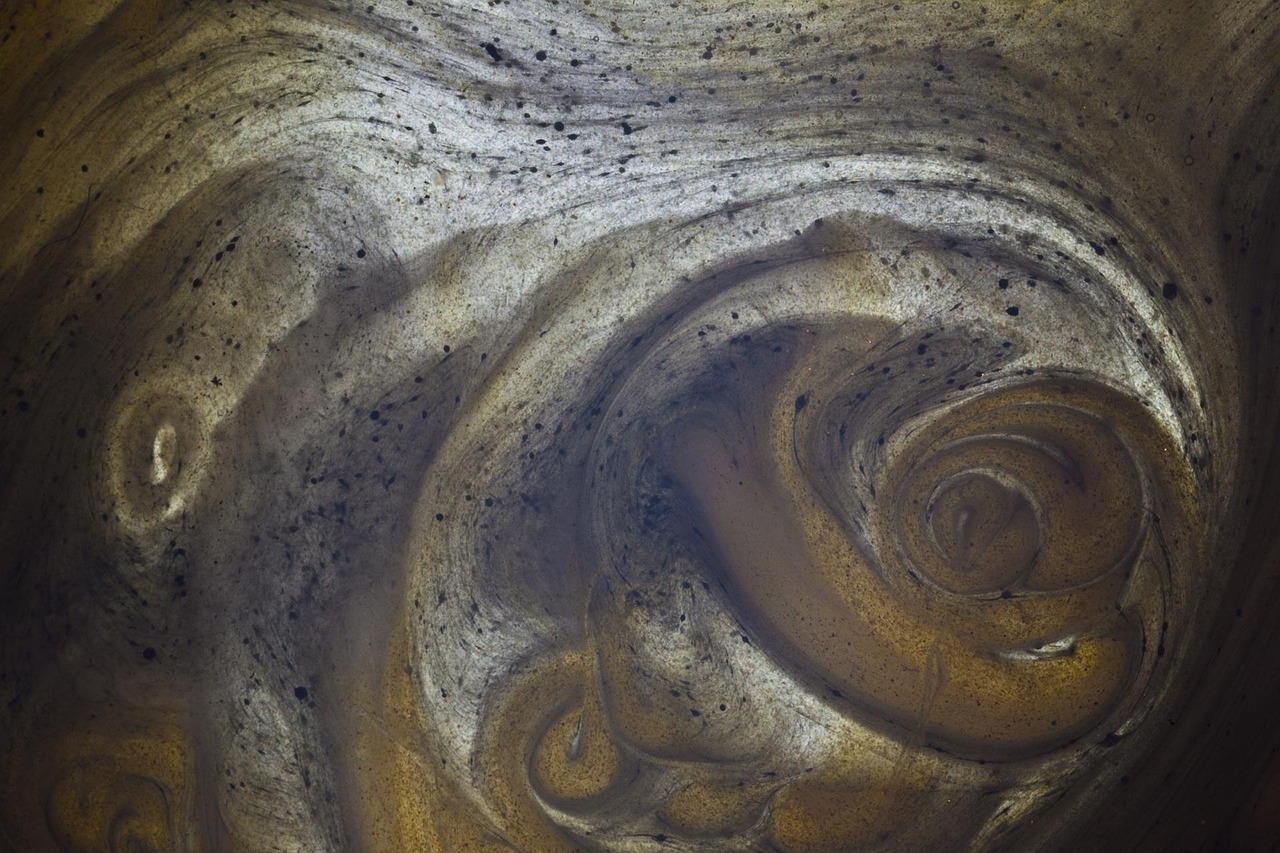
Metallic epoxy floors in Centennial, CO give a concrete slab a deep, glossy finish with swirling color that looks like polished stone or liquid metal. This service is for Centennial homeowners finishing a basement, updating a bonus room or home gym, and business owners who want a showroom-style floor. We test the slab, grind it smooth, apply a primer and then pour and work the metallic layer by hand before sealing it with a protective topcoat. The result is a seamless floor that’s easy to clean and unlike any other.
How a Metallic Epoxy Floor Is Made
A metallic floor is a decorative system with several layers:
- Grinding removes paint, adhesives and high spots, leaving a clean, open surface.
- Crack and joint repair fills any gaps so they don’t telegraph through the finish.
- Primer or base coat, often a solid color, seals the concrete and sets the backdrop.
- Metallic layer, a clear epoxy mixed with metallic pigments, is poured and spread. The installer moves it with rollers, brushes or sprayed solvent to create movement and depth.
- Topcoat adds scratch resistance and lets you choose gloss or satin.
Because the metallic layer flows and settles, it needs a clean room with no dust or drafts while it cures.
Where Metallic Floors Work Well
Metallic epoxy suits spaces where the floor is part of the design:
- Finished basements and media rooms.
- Bonus rooms, home gyms and studios.
- Showroom garages for car collectors.
- Retail spaces, salons and offices that want a distinctive look.
For a working garage that sees heavy salt and slush, a flake garage floor coating is usually the more practical choice.
Basement Moisture in Centennial Homes
Basement slabs sit below ground, and moisture from the soil moves up through the concrete as vapor. You may not see water at all, but if enough vapor moves through the slab, it can push a coating loose or cause bubbles and white haze. Rain, snowmelt around the foundation and sprinkler systems can all add to the moisture near a home.
That’s why every basement project starts with a moisture test. If the readings are high, we use a moisture-mitigating primer under the decorative layers. We’ll also look for signs of past water, such as staining along the walls or efflorescence, the white mineral deposit that forms when water evaporates from concrete.
The Process Step by Step
- Design visit. We look at the room, test moisture and help you choose colors and a style.
- Room prep. Furniture is removed, and walls and doors are masked.
- Grinding and repairs. The slab is ground and repaired until it’s flat and clean.
- Primer and base color. These coats seal the slab and create the backdrop.
- Metallic pour. The metallic layer is spread and worked by hand to create the pattern.
- Topcoat and cure. A protective topcoat goes on, and we tell you when the room can be used again.
What Affects the Cost of a Metallic Floor
- Square footage and the shape of the room.
- Existing floor coverings, such as carpet glue, tile mortar or paint.
- Slab condition, including cracks, low spots and unevenness.
- Moisture readings and whether a mitigation primer is needed.
- Design complexity, such as the number of colors and the style.
- Topcoat choice, gloss or satin, and any anti-slip additive.
We measure, test and look at the slab during a free design visit, then put the price in writing.
Metallic Epoxy or Another Flooring Choice?
Metallic epoxy is a good choice if you want a seamless, waterproof surface that stands up to spills and won’t trap odors the way carpet can. It suits basements where a small leak would ruin carpet or swell laminate.
It may not be the right fit if you want a soft, warm floor underfoot, or if the slab has ongoing water problems that haven’t been solved. In those cases, we’ll tell you what we see. Fixing the water source comes first, and sometimes a simpler solid-color coating is the better plan.
What Happens If Moisture Is Ignored
Skipping the moisture test is the most common reason decorative floors fail. Vapor pressure can cause blisters and peeling within months, and repairs on a metallic floor are hard to blend because the pattern can’t be matched exactly. Testing first protects the whole investment. For businesses considering a similar look, our commercial epoxy flooring page covers heavier-duty options.
Related services in Centennial